This guide is intended to explain to patients in the UK everything they need to know if they are prescribed cannabis flower medications.
The flowers of the cannabis plant are where the majority of the medicinal compounds are produced and stored. All cannabis medicines are made from the flower, and sometimes the flower itself is prescribed as a dried herbal medication.
In medical cannabis, the flowering bud of the female cannabis plant is prescribed for consumption. These medicines are made to GAP & GMP standards and must meet strict criteria to be approved for prescription as medicines in the UK.
On sight, the flower available on prescription will look, smell and taste similar to cannabis flower available in recreational and illicit markets. The key difference when prescribed are that these products are legal for the prescribed individual to possess and consume and are produced to pharmaceutical standards.
Flower remains the most common form of prescribed cannabis medicines. This is due to a number of factors.
The flowers of the cannabis plant contain the medicinal compounds, called cannabinoids such as THC and CBD, as well as terpenes. Cannabinoids are the active ingredient being prescribed.
Terpenes are believed to have a synergistic “entourage effect” – that changes the effects of the product slightly, whilst not diminishing the medicinal effect.Ultimately, different “strains” or cultivars (think “breeds”) of cannabis contain different terpene profiles and have different effects, such as being more sleep-inducing or more energising.
THC and CBD are the primary compounds managing an individuals symptoms, but the combination of cannabinoids and terpenes is what gives different strains of flowers their individual effects.

Cannabinoids, and some terpenes, bind to receptors in our body. There are two such receptors – CB1 and CB2. We also produce cannabinoids endogenously – within our own bodies. These receptors and enogenous cannabinoids are referred to as the ECS, our endocannabinoid system. All mammals, and many other animals, have an ECS. When an individual consumes cannabis compounds like THC and CBD bind to the receptors in the ECS, this is how they produce an effect in humans.
The ECS is a system that works beneath other bodily systems, helping to regulate them. Cannabinoids play a role in modulating and regulating our mood, sleep, appetite, pain signalling, neurological signalling, inflammation, to name just a few. The fact the ECS is involved in so many bodily functions is why cannabis medicines are used to treat so many different symptoms and conditions.
Cannabis flower is most commonly prescribed in 10g packs or pots, although sometimes 15g options are available too.
Your prescribing doctor/clinic will decide on the amount you are to be prescribed. All prescriptions are for 30 days of medication. So it will be a number of 10g packs/pots for the month ahead. Patients are typically prescribed anything from 20-90g. Some patients with severe symptoms may need more medication than that. If the clinician is prescribing other forms alongside the flower, then this may be a reason for less flower to be prescribed.
The clinician may prescribe a variety of options – so that you have what you need to manage your symptoms at different times of day/in different use cases. It’s common to be prescribed one type for daytime use and one for night-time use.
You may want to discuss your needs here with the clinician. Patients are typically encouraged to assess whether a flower medicine helped for a specific use-case, as this can be reported back to the clinic once the month is up, and amendments can be made to the prescription, potentially changing to a different flower medication where the clinician and patient agree this may be beneficial.
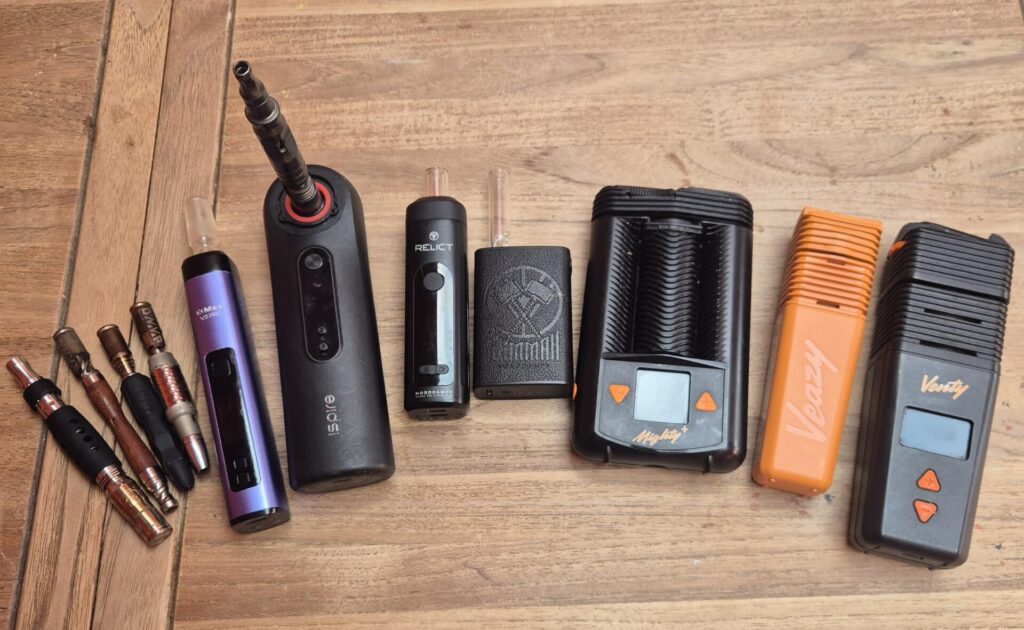
Flower medications are prescribed to be vaporised using a specific herbal vaporiser device. It is illegal in UK law to smoke prescribed cannabis flower.
Choosing the right herbal vaporiser is key, and will impact your dosing regimen. Typically, a herbal vape will hold ~0.2g of flower. This is not variable – for herbal vapes to work properly, they need to contain the right amount of flower. You cannot fill it up halfway and expect it to work the same. The flower should not be packed too tight or too loose – ensuring it vapes thoroughly and doesn’t restrict airflow upon inhalation. Most manufacturers of herbal vapes will give a guide as to how to use to properly fill their device/s.
As the amount used is always the same – the dosage is dictated instead by the potency of the flower in question. There are two primary options here – THC rich flower and balanced flower. THC rich has little to no CBD, and will typically contain anything from 18-35% THC. Balanced flowers will have close-to-equal amounts of THC and CBD. Rarely will the combination of THC and CBD in a balanced flower exceed 30%. A typical balanced flower might have 10% THC and 10% CBD or may be slightly “unbalanced”, for example with 10% THC and 13% CBD. There are a wide variety of options within these 2 categories to suite various patient needs.
Theres are terms historically used to group cannabis into a few different types. In medical cannabis these terms are sometimes used to help identify the type of effects one might experience. There is a 5-way spectrum here, starting with Indica on one side, being those flowers most likely to induce sleep or be relaxing, to sativa on the opposing side, being those least likely to induce sleep or be relaxing. Indica for night time and Sativa for daytime is a massive oversimplification – but a helpful starting point when identifying the right flower to prescribe.
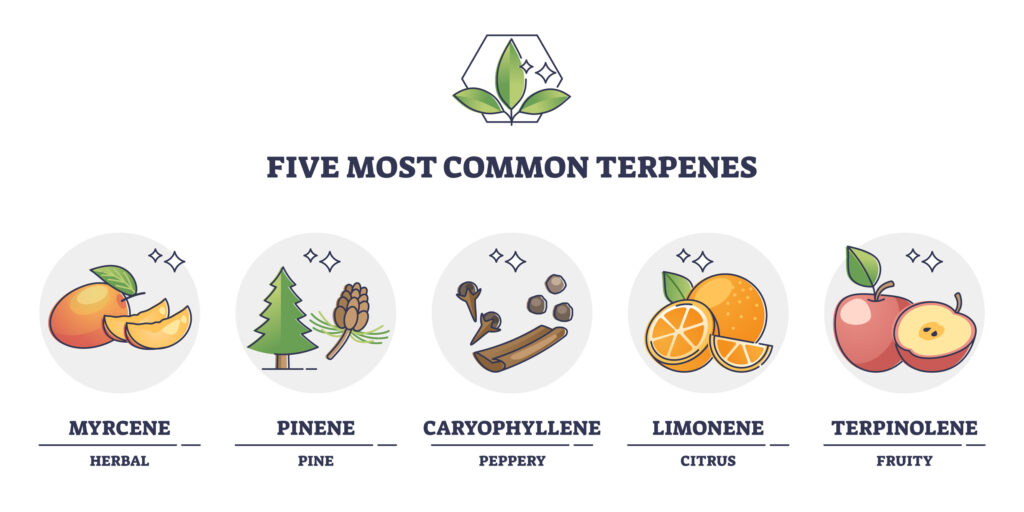
Both clinicians and patients should familiarise themselves with key terpenes and their effects. It is advisable to note the terpene profile of cannabis flowers that have been particularly useful for specific symptoms or use-cases (for example, to aid sleep) – so that you can begin to understand which terpenes in which ratios have the desired effects.
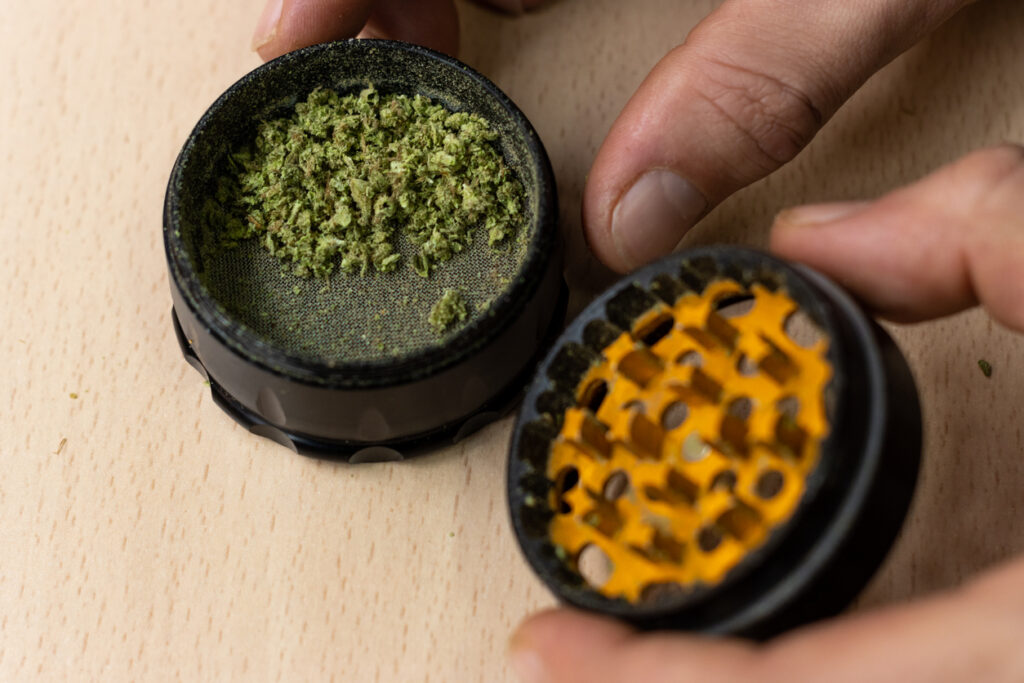
Before it is consumed, cannabis flower must be ground up (using a herbal grinder), after which it can be filled into the vape chamber. Different vapes will have guidance on how to fill them.
Many vapes will have variable temperatures – you will need to experiment a little bit with each medicine to see which temperature works best. It is recommend to start at a lower temperature, around 170-180 degrees and not to go above 220 degrees.
After vaping, the flower is “spent” – it will turn a brown colour and will taste less pleasant. Simply wait for the vape to cool before emptying the chamber ready for the next dose. Most manufacturers will provide clear guidance on cleaning and maintaining your vape.
Each vape will require a slightly different inhalation technique. It is important to note that you do not need to hold in your breath after inhaling – this does not increase any effect or absorption of the medication. It may take some experimentation to become comfortable using your chosen vape.
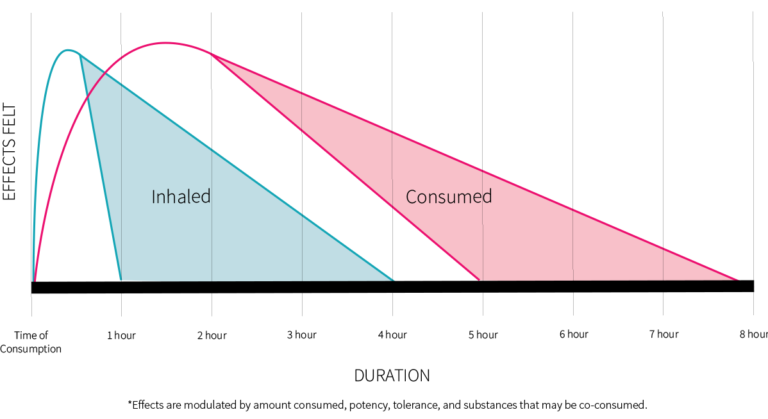
It is important to note that vaping is much safer than smoking – it does not produce carcinogens (cancer-causing) compounds like smoking does. It is also more efficient – patients often report getting the same or improved effects despite using less material than when smoking. Patients often reduce the cost involved by transitioning to vaping from smoking (typically when moving to legal prescribed cannabis from illicit access).
At Auravia Medical, we believe every patient deserves personalised, compassionate care. Our experienced clinicians take time to understand your symptoms, review your medical history and discuss the treatment options that may be appropriate for your individual needs.
From your initial consultation through to ongoing follow-up appointments, our focus is on providing evidence-informed care, clear communication and support throughout your treatment journey. We also provide patients with:
